

Belgian Pro League: Season Preview
Belgian football expert Will Daniels is here with our final Band 2 League preview


Introduction
The Belgian Pro League returns this evening in a very different form.
Following the league restructuring announced in 2026, Belgium’s top flight expands to 18 clubs, while the long-standing play-off system has finally been consigned to history. In its place is a straightforward 34-match league campaign, fundamentally changing the demands placed upon clubs.
The implications extend well beyond the league table. Recruitment strategies, squad construction, player rotation and development pathways will all come under greater scrutiny. Rather than building towards a separate championship phase, clubs must now find consistency across an entire season, balancing immediate results with the continued development and trading of talent that has become synonymous with Belgian football.
That makes this an ideal moment to assess the league through a recruitment lens.
This preview is not intended to predict final league positions. Instead, it examines each Belgian Pro League club from a squad-building perspective, identifying the profiles they possess, where strengths and weaknesses lie, and, most importantly, the players who could add value for clubs across Europe. Whether established performers ready for a step up or emerging talents whose stock may rise over the coming months, Belgium remains one of the continent’s most productive recruitment markets.
Without further ado, let’s get into it.
Anderlecht
Manager: Vítor Bruno
Like the Belgian Pro League itself, Anderlecht enter the 2026/27 season under a new structure. Antoine Sibierski has been appointed Director of Football following his work within the City Football Group at Troyes, while academy architect Jean Kindermans has returned as Technical Director. Combined with the appointment of Vítor Bruno, there is a genuine sense that Anderlecht have reset both their footballing identity and decision-making process after several turbulent years.
Bruno arrives with an impressive coaching pedigree, having spent over a decade alongside Sérgio Conceição before taking charge of Porto himself. His sides have typically demonstrated tactical flexibility, positional organisation and a desire to dominate possession without sacrificing defensive structure. That profile aligns with Anderlecht’s long-term ambition of returning to the summit of Belgian football through a younger, technically driven squad rather than short-term fixes.
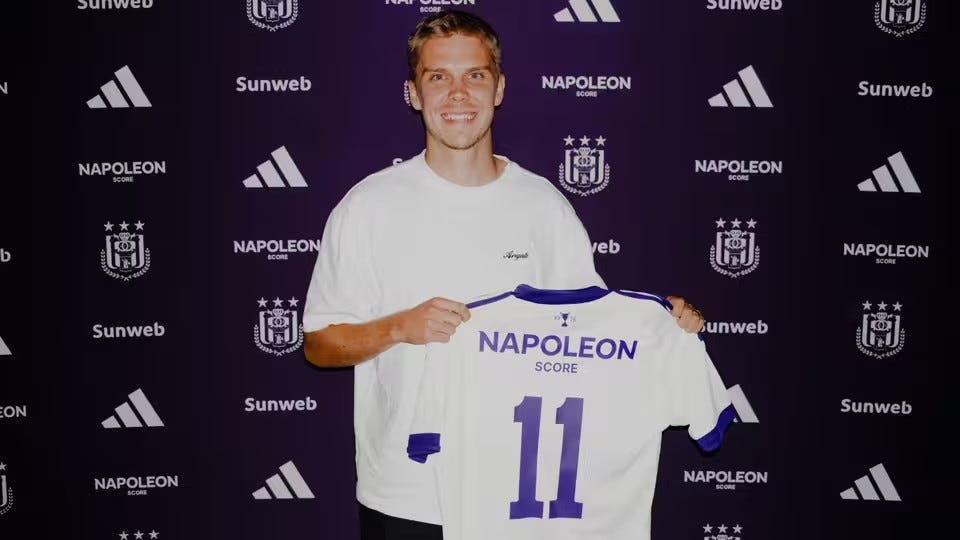
The transfer window has been relatively understated, but that appears intentional rather than reactive. Oliver Antman adds proven attacking output after an excellent spell in the Challenger Pro League, Giulian Biancone returns to Belgium with valuable Pro League experience following his time at Cercle Brugge, while Léo Pétrot provides another experienced defensive option. None are headline-grabbing arrivals, but all improve the squad’s depth and floor.
Perhaps more interesting has been the willingness to expose young players to senior football. Jayden Onia Seke has already featured prominently on the left flank, while Josh Kana has earned opportunities before Antman’s arrival. That willingness to trust academy products remains one of Anderlecht’s greatest strengths and continues to underpin their recruitment model.
The greater challenge may be retaining talent rather than producing it. Nathan De Cat has already departed, while Ali Maamar, Moussa Ndiaye, Nathan Saliba and Mario Stroeykens are all players capable of attracting significant interest should strong offers arrive. Anderlecht remain one of Belgium’s premier talent developers, but with that comes the constant balancing act between sporting ambition and player trading.
There is still work to be done before this squad can be considered genuine title contenders. Defensive depth could yet be strengthened, while greater goalscoring responsibility now falls on the shoulders of Danylo Sikan and Mihajlo Cvetković. Sikan has begun the campaign encouragingly, but Anderlecht will require far greater consistency across the forward line if they are to bridge the gap to Belgium’s leading sides.
From a recruitment perspective, Anderlecht remain one of the league’s richest sources of emerging talent. Their academy continues to produce players capable of moving into Europe’s top five leagues, while Bruno’s arrival should provide an environment that accelerates the development of technically gifted footballers. Whether that translates into an immediate title challenge is another question. A top-four finish feels a realistic expectation, but the more significant objective may be establishing a platform capable of sustaining success over the next three to five years.
Cercle Brugge
Manager: Lars Friis
Cercle Brugge enter the new campaign hoping to move beyond survival and re-establish themselves as one of Belgium’s leading development clubs. After another season spent battling in the relegation play-offs, the appointment of Lars Friis brought greater tactical cohesion and a clearer identity during the closing months of the campaign, providing genuine optimism heading into 2026/27.
Friis is an appointment that makes considerable strategic sense. Having developed within FC Midtjylland’s academy before working alongside Thomas Frank as an individual development coach, much of his coaching career has centred on preparing young players for senior football. With Cercle consistently fielding one of the youngest squads in the Belgian Pro League, his experience aligns closely with the club’s long-term recruitment model.
His football is equally compatible with Cercle’s identity. Whether lining up in a 3-4-3 or 3-5-2, Friis demands aggressive pressing, relentless intensity and rapid vertical progression once possession is regained. His teams look to compress space without the ball before attacking quickly, placing significant athletic and physical demands on every player within the squad.
The summer has inevitably brought further turnover. Flávio Nazinho’s move to Monaco represents another successful example of the pathway available within the clubs’ shared ownership structure, while Edan Diop also returns to the Principality following his loan spell. Elsewhere, the departures of Oumar Diakité, Pieter Gerkens and Oluwaseun Adewumi remove experience, leadership and attacking contribution from a squad that was already among the youngest in the division.
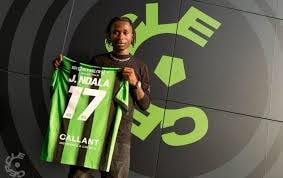
Although Friis has publicly voiced frustration over the pace of recruitment, the incoming business carries clear logic. Lazare Amani arrives to provide greater control and consistency in midfield, Joel Ndala joins from Manchester City following an interrupted campaign spent between Hull City and Sheffield Wednesday, while Lucas Michal offers flexibility across the forward line. Ndala, in particular, looks a natural fit for Friis’ system, possessing the acceleration, direct running and one-versus-one ability required to consistently attack defensive transitions.
The greatest challenge now is replacing production rather than potential. Steve Ngoura remains one of the squad’s highest-ceiling forwards, while the return of Dante Vanzeir provides a proven source of goals if he can remain fit and rediscover his best level. Defensively, however, the profile remains extremely youthful and an experienced organiser could still elevate the group over the course of a long league campaign.
From a recruitment perspective, Cercle continue to offer one of the clearest player development environments in Belgian football. Young players are expected to play, tactical demands are well defined, and there is an established pathway towards Monaco and beyond. For recruiters, that makes Cercle a club worth monitoring throughout the season, particularly for athletic, high-intensity profiles capable of thriving in transition-heavy football.
Provided they retain the core of the squad and continue adding selectively, Cercle should spend considerably less time looking over their shoulder than they did last season. A finish in the middle third of the table appears an achievable target, with the emphasis firmly on development rather than an immediate push towards the European places.
Club Brugge
Manager: Ivan Leko
Club Brugge begin another season as one of the favourites to lift the Belgian Pro League title, despite once again losing several of their most valuable assets. Few clubs in Europe have refined the balance between domestic success and player trading quite like Brugge, and this summer has provided another demonstration of that model in action. Significant sales have generated substantial revenue, but there is little sense that the squad has been weakened beyond repair.
Christos Tzolis headlines the departures after earning a record transfer to Arsenal following one of the most productive individual campaigns in recent Pro League history. Aleksandar Stanković has returned to Inter Milan after his buy-back clause was activated, while Raphaël Onyedika’s progression into one of Europe’s top five leagues comes as little surprise following his consistent performances over recent seasons.
Simon Mignolet has also brought an outstanding career to a close, and further departures cannot be discounted before the transfer window closes. Joaquín Seys continues to attract significant interest, while Joël Ordóñez would almost certainly have been the subject of stronger transfer speculation had injury not disrupted his summer.
The response has been characteristically measured. Rather than chasing established replacements, Club Brugge have again targeted players capable of contributing immediately while retaining long-term resale potential. It is a recruitment strategy that has become synonymous with both the club and Belgian football more broadly.
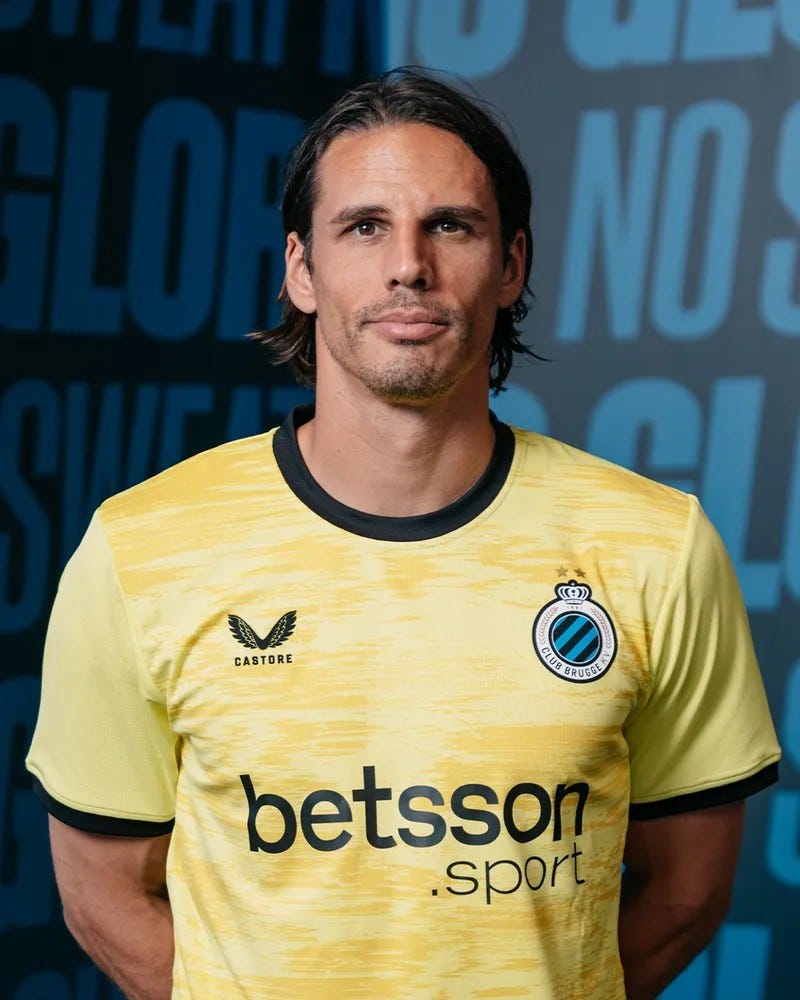
The signing of Yann Sommer is the obvious exception. At 37 years of age, the Swiss international arrives to replace Mignolet with proven quality, leadership and experience. A three-year contract inevitably raises questions regarding the pathway for younger goalkeepers within the club, but Club Brugge have made little secret of their ambition to compete for trophies now rather than prioritise succession planning in every position.
Elsewhere, the profile remains familiar. Andrej Vasović is among the most exciting additions, possessing the technical quality, physical profile and penalty-box instincts to develop into a complete centre forward over the coming seasons. Freddie Potts brings an unusual level of senior experience for a 22-year-old and should help offset the departures of both Stanković and Onyedika through his defensive intelligence, positioning and ball-winning ability. Wide attacking reinforcements still appear necessary following Tzolis’ departure, although Jan Virgili is expected to arrive, while Mamadou Diakhon has the opportunity to establish himself after producing the highest assists-per-90 figure in the division last season. Consistency now becomes the next stage of his development.
Perhaps the greatest challenge facing Ivan Leko is not replacing individuals but adapting to the league’s new competitive landscape. Club Brugge have frequently built momentum as seasons progressed before reaching their highest level during the championship play-offs. With those now removed, the emphasis shifts towards sustaining elite performance across all 34 league fixtures, placing a greater premium on depth, rotation and consistency from the opening weekend.
From a recruitment perspective, Club Brugge remain the benchmark organisation in Belgian football. Their succession planning, recruitment processes and willingness to continually refresh the squad ensure the production line rarely slows. Even after another summer of major departures, there are already several players within the squad who look capable of following the same pathway into Europe’s elite leagues over the next two or three seasons.
Expectations remain unchanged. Club Brugge possess the strongest infrastructure, one of the deepest squads and the financial resources to reinforce further before the window closes. A sustained title challenge should be considered the minimum objective, and they are likely to remain the standard against which the rest of the division is measured.
Genk
Manager: Jess Thorup
Genk enter the 2026/27 season amid one of the most significant periods of transition in the club’s recent history. A summer that began with the departure of CEO Erik Gerits was followed by Nicky Hayen’s move to Burnley, leaving the club searching for stability both on and off the pitch. The decision to reappoint Jess Thorup, returning five years after his previous spell in charge, has divided opinion externally, but it also provides a coach already familiar with the club’s philosophy and expectations.
Thorup’s teams are typically organised, aggressive without the ball and dangerous in transition. He has consistently demonstrated tactical flexibility throughout his career, alternating between back fours and back threes depending on the opposition and the profiles available to him. That adaptability should prove useful given the current state of Genk’s squad, which still feels unfinished with several weeks of the transfer window remaining.
Despite talk of a significant overhaul, relatively little movement has materialised. The most notable departure is Konstantinos Karetsas, whose move to Borussia Dortmund follows his emergence as one of the brightest young talents in Belgian football. Genk are expected to replace his creativity internally through Jeppe Erenbjerg, although the Danish midfielder offers a very different profile, relying more on work rate, ball progression and tactical discipline than individual flair.
Further departures remain possible. Noah Adedeji-Sternberg continues to attract interest after another encouraging campaign, Zakaria El Ouahdi looks ready to test himself at a higher level following an outstanding season, while Matte Smets is another player whose performances merit attention from clubs across Europe’s stronger leagues. If all three were to leave, Genk would require further reinforcement before the window closes.
There are also key questions elsewhere within the squad. Goalkeeper remains an unresolved position after Lucca Brughmans impressed during the play-offs despite Tobias Lawal arriving for a significant transfer fee, while central defence could yet require additional depth depending on further outgoings.
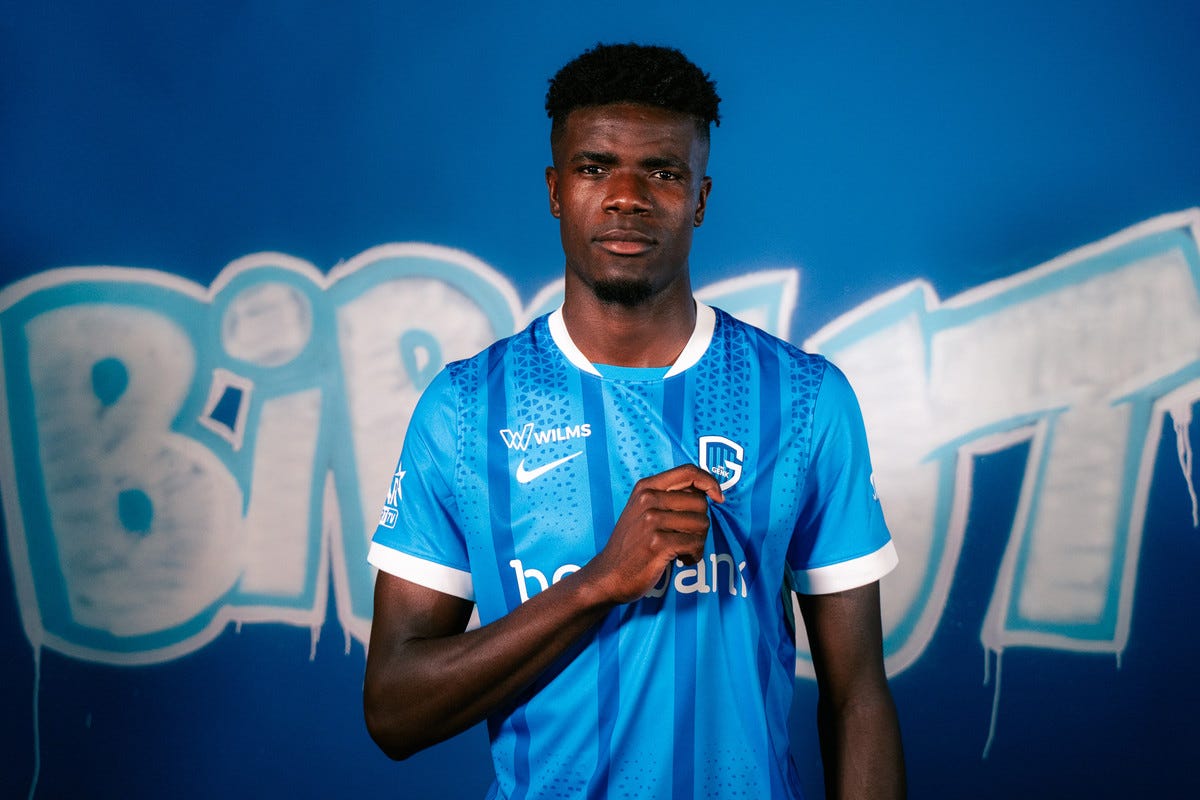
As ever, however, Genk’s greatest strength lies in the next generation. Aaron Bibout appears ready to challenge for a regular role after another year of development. His physical profile, aerial dominance and ability to occupy defenders make him one of the more intriguing young forwards in the division, although competition from new signing Rafiu Durosinmi will be fierce. In midfield, August De Wannemaker arguably represents the academy’s next elite prospect. Having impressed for Jong Genk despite still being only 17, he combines technical security with tactical intelligence well beyond his years and already looks capable of contributing at first-team level. His ability to operate both as a holding midfielder and as a more advanced number eight only increases his long-term value.
From a recruitment perspective, Genk remain among the most productive talent developers in European football. While the first-team squad still contains several areas requiring greater clarity before the transfer window closes, the academy pipeline continues to produce players capable of progressing into Europe’s top leagues.
The absence of European football should allow Thorup additional time on the training ground and reduce the physical demands placed upon a relatively young squad. Whether that proves enough to sustain a title challenge remains unlikely, particularly if further departures materialise. A return to the top four appears a realistic expectation, although Genk’s ultimate ceiling may depend on how effectively they navigate the remainder of the transfer window.
Gent
Manager: Rik De Mil
Gent’s transfer window has been relatively quiet by Belgian standards, but that should not be mistaken for a lack of ambition. Instead, the club appear to have prioritised profile over volume, addressing clear weaknesses within the squad rather than pursuing wholesale change. Following an inconsistent first campaign under Rik De Mil, this always felt like a summer focused on refinement rather than reconstruction.
De Mil arrived with a strong reputation after his work at Westerlo, yet Gent rarely displayed the intensity, organisation or attacking cohesion that characterised his previous side. Too often they looked vulnerable defensively, lacked physical authority and struggled to impose themselves consistently over ninety minutes. Establishing a clearer identity now feels just as important as improving the quality of the squad itself.
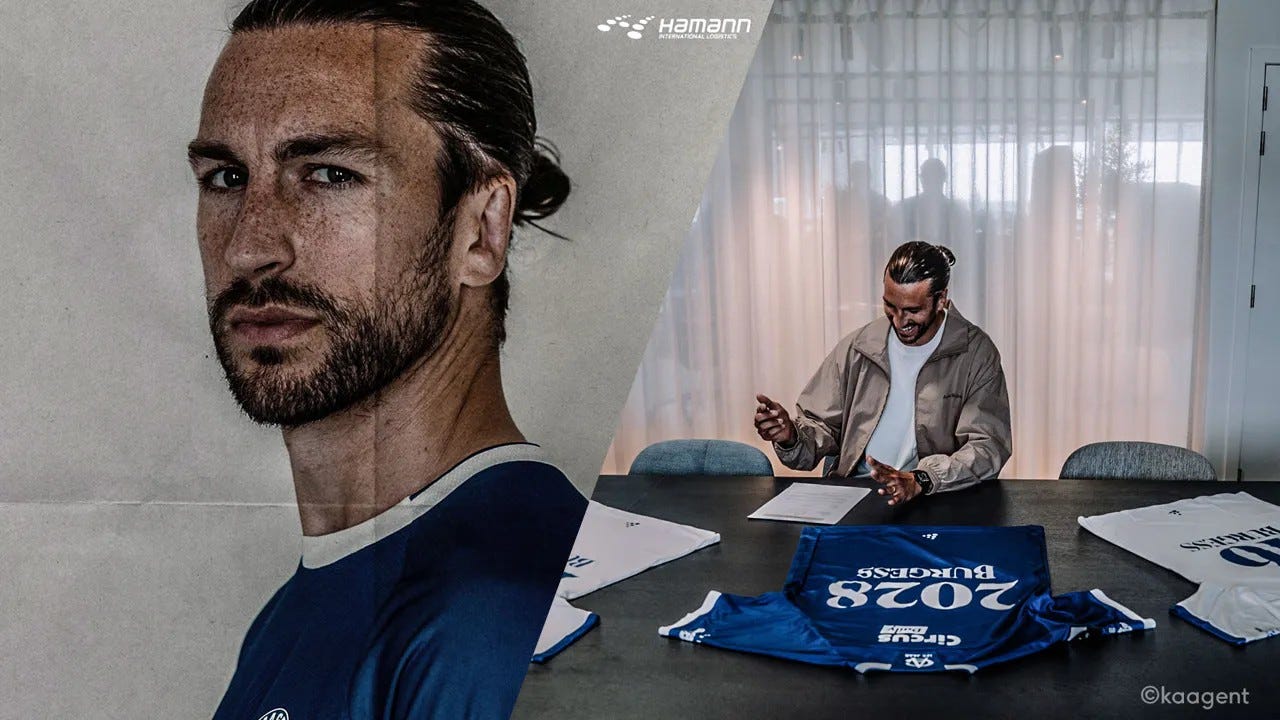
The recruitment reflects that thinking. Christian Burgess is arguably the standout addition, bringing leadership, organisation and a physical edge that Gent lacked throughout much of last season. His arrival should immediately improve the defensive unit, both through his own performances and his ability to organise those around him. Josué Vergara also arrives with encouraging production after an impressive spell in Latvia and possesses the technical qualities to develop into another valuable asset within the Belgian market.
Further forward, Kyrell Wilson looks an excellent stylistic fit. His pace, direct running and willingness to attack defenders should provide a genuine transition threat while increasing competition within Gent’s attacking unit. Mohammed Ngom, meanwhile, represents sensible succession planning, providing cover following Mathias Samoise’s injury without fundamentally altering the balance of the squad.
The existing group still contains considerable talent. Abdelkahar Kadri remains one of the division’s more technically gifted midfielders and perhaps surprisingly is still in Belgium, while Mathias Delorge continues to attract attention after another impressive campaign. Max Dean has also been linked with Millwall, and stylistically the move would make considerable sense given his intensity, physicality and relentless work without possession.
Gent’s challenge has rarely been a shortage of technical quality. Instead, consistency, defensive resilience and collective organisation have repeatedly limited their ability to sustain a challenge towards the top end of the table. Those are precisely the areas this summer’s recruitment appears designed to address.
From a recruitment perspective, Gent continue to offer an intriguing blend of established Pro League performers and emerging talent. The club remain capable of developing players for stronger European leagues, but this squad now feels more balanced than it did twelve months ago. If De Mil succeeds in embedding the aggressive, front-foot football that defined his previous work, Gent possess enough quality to establish themselves as genuine contenders for the European places.
This feels like a significant season for both club and coach. The foundations are stronger, the squad is more complete, and there are fewer excuses than there were a year ago. Should De Mil successfully translate his ideas onto the pitch, Gent have every opportunity to re-establish themselves among the Belgian Pro League’s leading sides.
Kortrijk
Manager: Michiel Jonckheere
Kortrijk return to the Belgian Pro League after only a single season in the Challenger Pro League, securing promotion at the first attempt with a second-place finish. Rather than overseeing a complete rebuild, the club have placed their faith in continuity, believing the foundations laid over the past 12 months are strong enough to compete back at the highest level. That confidence begins with Michiel Jonckheere.
Still only 36 years old, Jonckheere is regarded as one of Belgium’s more promising young coaches. After working under Nicky Hayen, he stepped into the leading role and quickly restored both direction and belief following relegation. As a former Kortrijk player, he also understands the expectations surrounding the club, helping create a clear connection between the coaching staff, dressing room and supporters.
His teams are well organised, energetic without possession and comfortable attacking quickly once opportunities present themselves. While Kortrijk are unlikely to dominate possession against many Pro League opponents, they should remain competitive through structure, defensive discipline and an aggressive transitional approach.
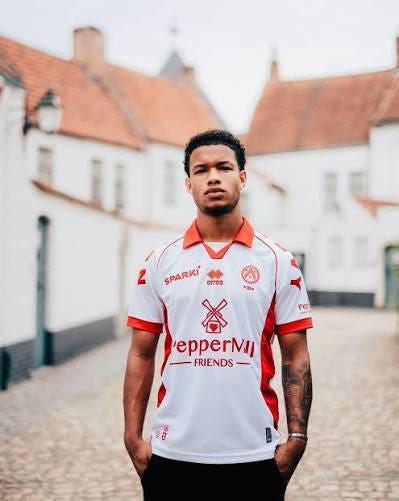
That philosophy is reflected in the club’s recruitment. Rather than overhauling the squad, Kortrijk have focused on adding profiles that complement an already settled group. Shandre Campbell arrives in search of regular first-team football after limited opportunities elsewhere and possesses the pace, acceleration and directness to become one of the division’s more dangerous transition players. With Kortrijk expected to spend periods defending before attacking space quickly, his profile appears an excellent tactical fit.
Matthew Anderson also returns after producing outstanding attacking numbers from left wing-back last season and should remain one of Kortrijk’s primary creative outlets, while Nayel Mehssatou’s return strengthens the squad with a player already familiar with both the club and the demands of Belgian football.
Perhaps Kortrijk’s greatest advantage is simply how little has changed. Many promoted clubs spend the summer rebuilding large sections of their squad, often sacrificing cohesion in pursuit of greater individual quality. Kortrijk have largely resisted that temptation, retaining the relationships, understanding and tactical familiarity that underpinned promotion.
From a recruitment perspective, Kortrijk may not possess the concentration of elite young talent seen elsewhere in the division, but they have assembled a squad with clear tactical roles, sensible age profiles and strong collective cohesion. That makes them an interesting environment for players seeking development through regular first-team football rather than immediate exposure within one of Belgium’s larger clubs.
Survival will naturally remain the primary objective, but Kortrijk appear better prepared than many newly promoted sides. Continuity in the dugout, stability within the squad and a recruitment strategy built around complementing rather than replacing the existing group provide solid foundations for a competitive return to the Belgian Pro League.
Mechelen
Manager: Frederik Vanderbiest
Mechelen were one of the surprise packages of last season, exceeding expectations to secure a place in the Championship Group. The achievement, however, perhaps disguised where the club currently sits within the Belgian football landscape. Performances declined sharply once they reached the play-offs, and the optimism generated by an outstanding regular season has since been replaced by a degree of uncertainty surrounding the club’s long-term direction.
That uncertainty is understandable. Mechelen are increasingly operating as a self-sustaining club, placing greater emphasis on player trading to finance future recruitment rather than relying on significant external investment. It is a sensible strategy financially, but one that inevitably makes squad building more challenging.
The summer has already reflected that approach. Redouane Halhal departed for Venezia following his involvement at the FIFA Club World Cup, while Mathis Servais earned a move to Millwall, generating significant funds that can now be reinvested into the squad. Further sales may yet follow. Moncef Zekri continues to attract considerable interest after emerging as one of Belgium’s brightest young prospects despite still being only 16, while Therence Koudou increasingly looks ready to take the next step in his career.

The recruitment itself has been relatively understated. Dennis Praet arrives with vast experience and should improve the technical level and leadership within the squad, but his signing alone is unlikely to fundamentally alter Mechelen’s trajectory. With relatively little additional business completed, there is a sense that the squad has not yet been strengthened to compensate for the quality already lost.
There remains enough talent to comfortably avoid any relegation concerns. Myron Van Brederode continues to provide creativity and unpredictability from wide areas, while the forward options remain encouraging. Bouke Boersma has shown promising movement and all-round centre-forward play despite his finishing still requiring refinement, and Benito Raman remains capable of influencing games whenever fitness allows him to build momentum.
From a recruitment perspective, Mechelen continue to identify and develop players effectively, but this summer feels more focused on protecting the club’s financial model than significantly raising the ceiling of the first team. That balance is one many Belgian clubs must strike, although it may leave Mechelen vulnerable to regression after outperforming expectations last season.
A return to the Championship Group would represent another excellent campaign, but it appears a considerably tougher task than it did twelve months ago. The squad remains competitive, yet unless further reinforcements arrive before the transfer window closes, a finish in the upper half of mid-table feels a more realistic outcome.
Lommel
Manager: Lee Johnson
Lommel return to the Belgian Pro League for the first time since the 2002/03 season, marking another significant milestone in the club’s modern resurgence. Following the financial collapse of KFC Lommel SK, football in the city survived through the merger that ultimately created the current club. More recently, however, Lommel’s trajectory has been transformed by their inclusion within the City Football Group, providing access to recruitment networks, infrastructure and player pathways that few clubs of their size could otherwise access.
That model now receives its biggest test. Promotion is one achievement; establishing themselves as a Pro League club is another entirely.
Lee Johnson arrives with considerable experience of developing young players, having played important roles in the progression of talents such as Antoine Semenyo, Josh Brownhill and Adam Webster during his time in English football. His ability to improve younger players makes him a logical appointment for a club whose recruitment strategy is increasingly centred around emerging talent rather than established professionals.
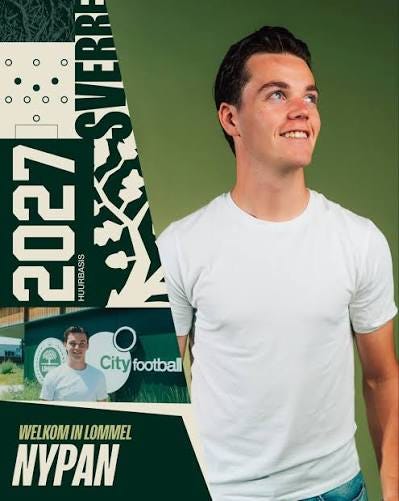
The advantages of City Football Group ownership are already evident within the squad. Sverre Nypan arrives on loan as arguably the standout individual talent at the club. Technically, he possesses qualities rarely found within newly promoted sides and should immediately elevate Lommel’s ceiling in possession. His previous loan spell at Middlesbrough proved difficult as he adapted to the Championship’s physical demands, but Belgian football appears a more natural environment in which to continue his development.
Alongside him, Isaiah Dada-Mascoll provides a very different midfield profile. Physically imposing and defensively minded, he should add greater protection in front of the back line while allowing Lommel’s more creative players greater freedom. Shawn Adewoye also strengthens the defensive unit following his arrival from Fortuna Sittard, bringing valuable experience to a squad making the significant step up to the top flight.
Despite those additions, questions remain. Ralf Seuntjens’ 18-goal campaign was instrumental in securing promotion, but the supporting cast must contribute more consistently if Lommel are to remain competitive over 34 league matches. Tom Reyners and Lucas Schoofs will both be expected to shoulder greater attacking responsibility, while the departure of Sam De Grand removes one of the squad’s most reliable creative outlets from left-back.
The squad itself also feels somewhat imbalanced. There is encouraging individual quality, particularly among the younger players, but overall depth remains a concern and further recruitment would appear beneficial before the transfer window closes. As with many promoted clubs, surviving the opening months could prove decisive in determining the direction of the campaign.
From a recruitment perspective, Lommel remain one of the most fascinating projects in Belgian football. Their connection to the City Football Group provides access to a level of talent unavailable to most clubs operating at a similar level, while Lee Johnson’s track record of developing younger players should help maximise those opportunities. Whether that is enough to ensure survival may ultimately depend on how quickly the squad adapts to the demands of Pro League football.
Remaining in the division would represent a successful first season back at this level. The long-term project appears well positioned, but there is still work to do before the squad possesses the depth and proven quality required to compete comfortably with the league’s established sides.
OH Leuven
Manager: Timmy Simons
OH Leuven have spent several seasons occupying the same space within Belgian football: competitive enough to avoid serious relegation concerns, yet rarely convincing enough to threaten the league’s strongest sides. Stability has become both the club’s greatest strength and its biggest limitation. While others around them have accelerated through player development or ambitious recruitment, Leuven have often appeared caught somewhere in between.
That uncertainty extends beyond the squad itself. Frequent managerial changes have made it difficult to establish a consistent footballing identity, and Timmy Simons becomes the latest coach tasked with moving the club forward. His appointment, however, feels a logical one. Simons’ teams are built upon defensive organisation, tactical discipline and structured pressing, while also looking to attack more directly once possession is regained. Those principles appear well suited to Leuven’s current squad profile.
The transfer window has largely reflected the club’s established recruitment strategy. Toby Leysen remains a player attracting external interest, although Leuven appear well prepared should he depart, with Dani van den Heuvel capable of stepping into the number one role. The club have also continued to utilise their Japanese recruitment network through the arrivals of Takuya Ogiwara and Shin Yamada, demonstrating a willingness to recruit from markets they know well rather than competing directly with Belgium’s larger clubs.
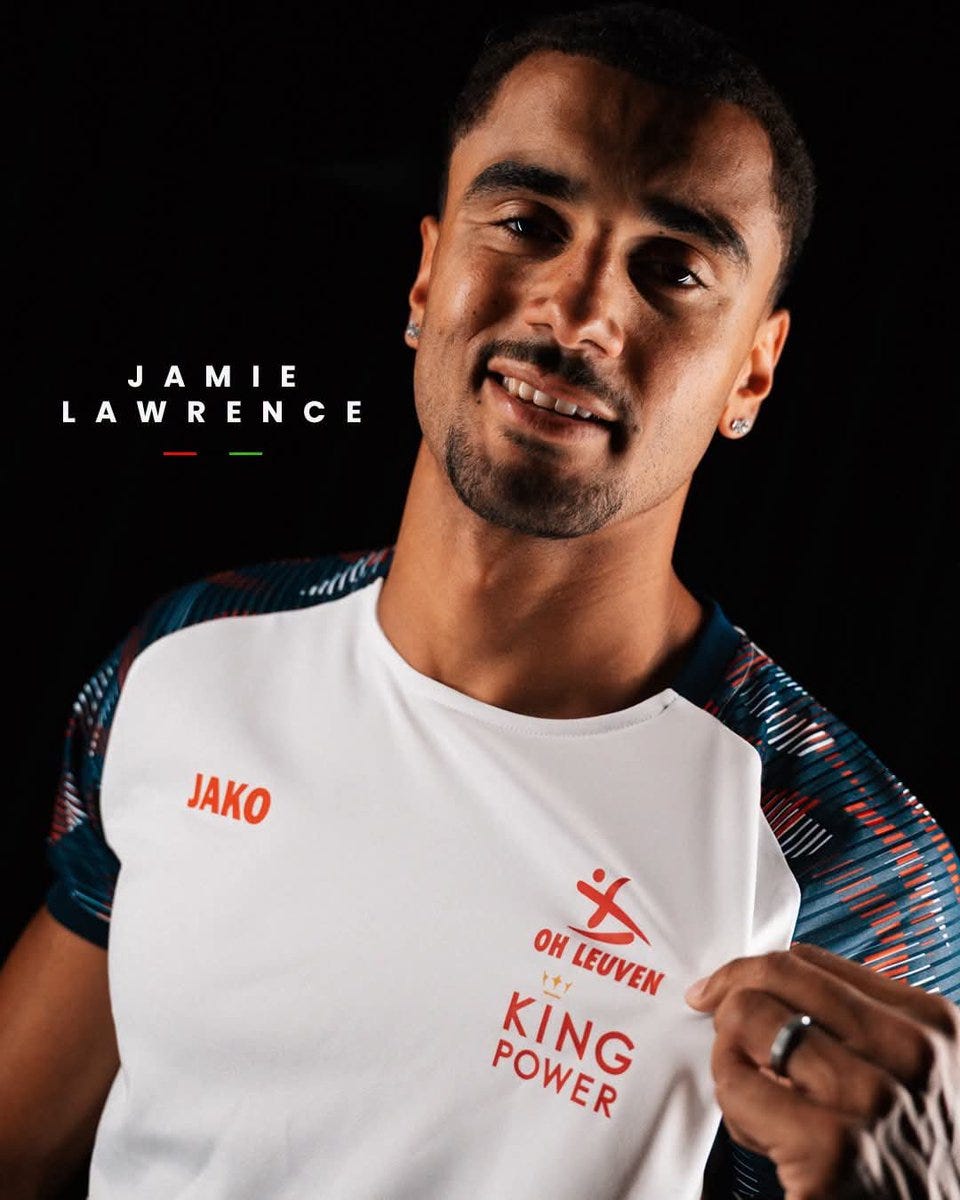
Perhaps the most intriguing addition is Jamie Lawrence. Standing at 6ft 6in, he brings an imposing physical presence to a defensive unit that has occasionally lacked authority, while also offering scope for further development. If integrated successfully, he has the attributes to become an important figure within Simons’ system.
There is also reason for optimism within the existing squad. Abdul Traoré remains one of the club’s higher-ceiling prospects and possesses the technical ability to become a genuine difference-maker if his decision-making continues to mature. Chukwubuikem Ikwuemesi likewise offers an attractive physical profile, combining pace, power and the ability to stretch defensive lines, although greater consistency in front of goal remains the next stage of his development.
The principal concern lies elsewhere. Youssef Maziz’s departure removes one of Leuven’s primary creative outlets, increasing the burden on William Balikwisha to provide both chance creation and attacking output. Unless that creativity is replaced before the transfer window closes, Leuven may again find themselves struggling to consistently convert competitive performances into victories.
From a recruitment perspective, Leuven remain an interesting case study. Their overseas scouting, particularly within Japan, continues to identify undervalued talent, but the overall squad still lacks the individual quality required to significantly raise its ceiling. The challenge now is finding greater attacking productivity without compromising the defensive structure that Simons is likely to prioritise.
Leuven should once again possess enough organisation and experience to remain comfortably clear of the relegation battle. Whether they can progress beyond the division’s sizeable middle ground will depend largely upon adding greater creativity and attacking output before the transfer window closes.
RAAL La Louvière
Manager: Edward Still
RAAL La Louvière’s rise has been one of Belgian football’s more impressive recent stories. After securing promotion to the Belgian Pro League with relative comfort last season, the club now enters a defining period both on and off the pitch. The move into the new 8,500-capacity Easi Arena represents far more than a stadium upgrade; it provides the infrastructure and commercial platform required to establish RAAL as a sustainable top-flight club rather than one simply hoping to survive.
That progress has, however, been accompanied by significant change behind the scenes. Technical Director Nicolas Frutos has departed for Charleroi, while Sporting Director David Verwilghen has joined Anderlecht to lead their scouting and recruitment department. Perhaps the biggest change of all came in the dugout, where Frédéric Taquin departed after guiding the club through multiple promotions. His legacy is secure, having overseen one of the most successful periods in RAAL’s modern history.
Replacing him is Edward Still, a coach whose career has largely been defined by inheriting challenging situations. Previous spells have included rebuilding projects at Charleroi and a difficult period in English football, but RAAL offers something different: a stable club with momentum, ambitious ownership and the opportunity to shape a squad across an entire transfer window. It is arguably the first opportunity for Still to build a team fully in his own image.
The scale of recruitment reflects that ambition. No Belgian Pro League club has been more active in the market, with RAAL undertaking a significant squad rebuild ahead of life in the top flight. Inevitably, important departures have also occurred. Jordi Liongola leaves after another influential campaign, while Moussa Fall returns to Metz following a successful loan spell, removing both athleticism and attacking threat from the squad.
Among the arrivals, Anas Tajaouart stands out as a particularly intriguing addition. Technically secure, energetic and capable of carrying possession through midfield, he should become an important figure as Still looks to establish a more controlled style of play. Further forward, Elias Filet arrives following an impressive season in Switzerland and offers a more traditional number nine profile. Given RAAL’s struggles for goals last season, his ability to consistently occupy defenders and provide penalty-box presence could prove invaluable.
Despite the volume of recruitment, questions remain regarding the overall quality of the squad, particularly within the defensive unit. Stability at the back will be essential if RAAL are to compete consistently at this level, making the retention of Marcus Peano arguably one of the club’s most significant pieces of business this summer.
From a recruitment perspective, RAAL represent one of the Belgian Pro League’s most fascinating long-term projects. The combination of improved infrastructure, ambitious ownership and a willingness to invest in reshaping the squad suggests a club preparing for more than simply one season of survival. Whether that ambition can immediately translate into results remains uncertain, but the foundations appear considerably stronger than they did twelve months ago.
Survival remains the primary objective, and it is unlikely to come easily. However, RAAL look better equipped for the challenge than many newly promoted sides, with the club’s long-term trajectory appearing every bit as encouraging as its immediate prospects.
Royal Antwerp
Manager: Marvin Kompper
Few clubs enter the new Belgian Pro League season facing greater change than Royal Antwerp. What began as a financial necessity has evolved into a complete sporting reset, with new ownership, a new head coach and a renewed footballing philosophy all arriving within the same summer. For a club that lifted the league title only a few seasons ago, this represents the beginning of a very different chapter.
The most significant development has taken place away from the pitch. Control of the club has passed to KBC Real Estate, a consortium of around 30 companies led by former captain Toby Alderweireld. The takeover brings much-needed financial stability following a period in which reduced investment from Paul Gheysens left Antwerp increasingly reliant on borrowing to support both stadium development and day-to-day operations. Just as importantly, it provides a platform from which the club can begin rebuilding with a longer-term outlook.
That shift in direction is reflected in the appointment of Marvin Kompper. The 41-year-old German arrives following a lengthy recruitment process led by Faris Haroun, who completed his UEFA Pro Licence alongside Kompper and played a key role in recommending him. Antwerp also sought insight from one of Kompper’s biggest coaching influences, Ralf Rangnick, before making the appointment, offering a clear indication of the footballing principles they intend to adopt.
Those principles should look familiar. Kompper’s teams prioritise aggressive pressing, vertical progression, structured positional play and quick attacking transitions, drawing heavily on the modern Red Bull methodology. It marks a significant stylistic shift from previous seasons and will inevitably require changes to the squad profile over time.
That process has already begun. Vincent Janssen departs after playing a central role in Antwerp’s recent success, while Gyrano Kerk and Dennis Praet also move on as the club gradually refreshes an ageing core. Their departures reduce both experience and proven attacking output, but they also create opportunities to reshape the squad around younger, more athletic profiles better suited to Kompper’s football.
Recruitment has understandably been measured given the timing of the managerial appointment, although there have been encouraging additions. Maxime Busi looks a sensible acquisition capable of strengthening the defensive unit, while Michael Frey’s return brings familiarity, leadership and a proven goalscoring record within Belgian football. In midfield, Xander Dierckx continues to emerge as one of the club’s most exciting young players and appears an obvious candidate to become a cornerstone of Antwerp’s next cycle.
The club must also improve the way it manages player assets. Allowing talented players to approach the end of their contracts without maximising transfer value is a model that is unlikely to be sustainable, particularly as Antwerp look to operate within a more disciplined financial framework. Building a stronger player trading strategy should become one of the priorities under the new ownership structure.
From a recruitment perspective, Antwerp remain one of the league’s most intriguing clubs. The quality within the defensive unit provides a strong platform, while the combination of new ownership, a progressive coach and a clearer long-term footballing identity offers genuine reasons for optimism. However, this is a project that remains in its early stages, and further recruitment appears necessary before the squad fully reflects Kompper’s tactical demands.
A return to the top four will remain the ambition, but the broader objective should be establishing a sustainable foundation capable of supporting long-term success. The transition has only just begun, and patience may ultimately prove just as important as recruitment over the coming months.
SV Beveren
Manager: Tim Bakens
SV Beveren return to the Belgian Pro League after producing one of the most dominant seasons in recent Belgian football history. An unbeaten Challenger Pro League campaign, yielding 28 victories, four draws and 88 points, secured promotion in emphatic fashion and placed the club alongside Union Saint-Gilloise as only the second Belgian side since 1933/34 to complete a domestic league season without defeat. Ordinarily, such a campaign would provide the ideal platform for continuity. Instead, it has been followed by one of the most uncertain summers of any club in the division.
The departure of Marink Reedijk came as a surprise given the success achieved under his leadership. While his exit was officially attributed to a desire to pursue the next stage of his career, it coincided with a period of uncertainty surrounding the club’s ownership. Global Football Holdings explored the possibility of selling Beveren during the summer, creating understandable questions regarding budgets, recruitment strategy and the club’s long-term direction. Although the owners ultimately elected to retain control, the uncertainty inevitably disrupted preparations for life back in the Pro League.
Rather than seeking an experienced replacement, Sporting Director Bob Peeters opted for continuity through the appointment of Tim Bakens, having previously worked closely alongside him at Helmond Sport. It is an appointment based less upon experience than alignment. Bakens’ footballing philosophy, coaching methodology and understanding of the club’s values closely mirror the environment Peeters is attempting to build. It is undoubtedly a bold decision given this represents his first senior managerial role, but one that prioritises preserving culture over short-term pragmatism.
That philosophy is reflected throughout the squad. Unlike many promoted clubs, Beveren have largely resisted the temptation to overhaul the playing group responsible for promotion. Continuity, familiarity and collective understanding remain among the club’s greatest strengths. Whether those same qualities prove sufficient against considerably stronger opposition remains the defining question of their season.
There are reasons for optimism. Jearl Margaritha enters the campaign looking capable of making the step up after an outstanding season on the left flank. His acceleration, one-versus-one ability and willingness to attack space make him one of the squad’s most dangerous attacking weapons and, if he adapts quickly to Pro League football, a player likely to attract significant interest from clubs operating at a higher level. Midfield has also been strengthened intelligently through the arrival of Léandre Kuavita, while Junior Diouf joins as a longer-term developmental investment. Following an impressive NCAA campaign, he possesses the physical profile to succeed in Belgian football, although the increase in competitive intensity means his progression is unlikely to be immediate.
The greater concern lies in the overall profile of the squad. While experienced and cohesive, much of the group was assembled to dominate the Challenger Pro League rather than compete consistently in the Belgian top flight. Additional quality, particularly within both penalty areas, would significantly improve Beveren’s chances of survival over the course of a demanding 34-game campaign.
From a recruitment perspective, Beveren present an interesting contrast to many newly promoted clubs. Rather than pursuing wholesale change, they have placed considerable faith in continuity, believing collective understanding and tactical cohesion can bridge part of the quality gap. It is a strategy that carries risk, but also offers the potential for greater stability than the constant turnover often seen among promoted sides.
An encouraging start to the campaign would not be a surprise given the familiarity within the squad and coaching staff. The greater challenge will be maintaining that level once the physical and technical demands of the Belgian Pro League begin to accumulate. Survival is certainly within reach, but further targeted recruitment before the transfer window closes could prove the difference between a comfortable return and a prolonged relegation battle.
Royal Charleroi
Manager: Mario Kohnen
Royal Charleroi enter the 2026/27 campaign hoping to establish greater stability after confirming Mario Kohnen as permanent head coach. His appointment follows an encouraging interim spell during last season’s play-offs, where the club collected 17 points from a possible 27, and represents the continuation of a coach already deeply embedded within Charleroi’s football department. Having previously served as Rik De Mil’s assistant before remaining on Hans Cornelis’ staff, Kohnen understands both the club’s culture and the demands of the Belgian Pro League.
Charleroi have spent several years operating as one of Belgium’s stronger talent developers, consistently identifying, improving and selling players for significant profit. The challenge has not been producing talent, but replacing it quickly enough to continue progressing on the pitch.
This summer has brought another significant turnover. Following Adem Zorgane’s departure last year, Yassine Titraoui has now completed a deserved move to RC Lens after establishing himself as one of the Belgian Pro League’s most complete midfielders. Etienne Camara has also departed, removing further physicality and ball-winning ability from the centre of the pitch. Parfait Guiagon remains one of the club’s most valuable assets, although continued interest from Ligue 1 and elsewhere suggests Charleroi may yet face another difficult decision before the transfer window closes

Recruitment has largely centred around increasing athleticism and refreshing the physical profile of the squad. Kevin Van Den Kerkhof’s permanent arrival following an impressive loan spell represents smart business, providing proven quality and familiarity at right-back. Isaac Cisse joins from Golden Arrows as an athletic, developmental profile, while Boubakar Dembaga offers versatility across defensive midfield and central defence, strengthening two areas simultaneously. Further forward, Severin Nioulé arrives from Häcken possessing explosive acceleration and impressive one-versus-one ability, although refining his decision-making and attacking output will determine how quickly he can establish himself at this level.
The greater concern is creativity. If Guiagon were to leave before the end of the window, Charleroi would lose their primary source of progression, chance creation and attacking unpredictability. Aurélien Scheidler provides a dependable focal point capable of linking play, while Adama Bojang’s loan arrival introduces greater pace and vertical threat, but another creative midfielder or wide player capable of consistently supplying the forward line would significantly improve the balance of the squad.
From a recruitment perspective, Charleroi remain a fascinating club to monitor. Their ability to identify undervalued talent before developing players for larger leagues has become one of the division’s more reliable production lines. The next stage of that evolution is improving succession planning, ensuring outgoing quality is replaced quickly enough to prevent repeated periods of transition.
Kohnen inherits a squad that should remain competitive throughout the division, but one that still appears a level below Belgium’s strongest sides. Greater physicality has been added, yet further creativity would make the group considerably more complete. A comfortable mid-table finish appears the most likely outcome, although effective recruitment over the closing weeks of the transfer window could yet raise that ceiling.
Sint-Truiden
Manager: Frédérik De Meyer
Nothing lasts forever.
Few clubs captured the imagination in Belgian football quite like Sint-Truiden last season. Under Wouter Vrancken, they combined relentless intensity with technical quality to produce one of the Belgian Pro League’s most entertaining teams, ultimately securing European qualification for the first time since their appearance in the 1999 UEFA Intertoto Cup. It was a campaign that dramatically raised both the club’s profile and the market value of many within the squad.
Success inevitably brought change.
Vrancken’s departure to Hearts deprived Sint-Truiden of one of the division’s most highly regarded young coaches, but the club have consciously prioritised continuity over reinvention. Frédérik De Meyer steps into the role having been responsible for many of the attacking mechanisms that underpinned last season’s success. Tasked with developing offensive structures and attacking patterns under Vrancken, he already possesses a detailed understanding of both the squad and the footballing identity the club wishes to preserve. His extensive experience as an assistant across Belgian football, alongside spells working with the national teams of Burkina Faso, Guinea and Congo, should ease that transition.
Replacing the football may prove considerably easier than replacing the players.
Financial reality means Sint-Truiden must continue to operate as a selling club, and this summer has seen another significant wave of departures. Rihito Yamamoto earned a deserved move to Freiburg after an outstanding campaign, while Keisuke Goto also departed for the same Bundesliga club following his breakthrough season. Ryotaro Ito’s exit arguably represents the biggest loss of all. His creativity, technical quality and ability to dictate attacking play made him one of the Belgian Pro League’s outstanding performers, leaving an enormous void for De Meyer to fill.
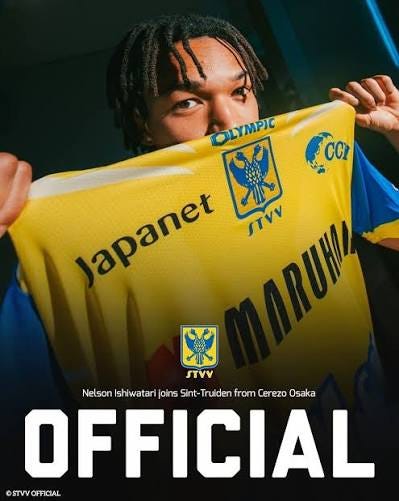
As ever, however, Sint-Truiden have responded by looking towards the next generation rather than established replacements. Nelson Ishiwatari arrives as one of the most exciting young Japanese players to emerge in recent years. While he lacks some of Yamamoto’s technical refinement, he compensates with greater athleticism, ball-carrying ability and intensity, giving the midfield a slightly different profile. Fellow countryman Ryotaro Araki should also prove an intelligent addition. Rather than replicating Ito directly, Araki offers more of a connective profile between midfield and attack, linking play effectively while providing tactical flexibility in advanced areas.
Internal development will also play an important role. Ryan Merlen appears ready to assume greater first-team responsibility and possesses the attributes to become another successful product of Sint-Truiden’s development model. Nevertheless, expecting emerging talent alone to offset the quality that has departed would be unrealistic.
From a recruitment perspective, Sint-Truiden continue to operate one of the Belgian Pro League’s clearest footballing models. Their ability to consistently identify undervalued talent, particularly within the Japanese market, has become a genuine competitive advantage. Rather than resisting inevitable departures, the club have embraced succession planning as a core principle, continually refreshing the squad while maintaining a recognisable style of play.
The challenge this season is one of timing. European football increases both the opportunity and the workload. While it enhances the club’s attractiveness within the transfer market, it also places greater demands upon a squad that currently appears short of depth in several important positions. Further additions before the transfer window closes feel essential if Sint-Truiden are to remain competitive across multiple competitions.
This remains one of Belgian football’s best-run recruitment operations, but it also faces one of its toughest balancing acts. Maintaining last season’s level after losing both the architect of the project and several of its standout performers will not be straightforward. The long-term model remains exceptionally strong, yet the success of 2026/27 may ultimately depend upon how quickly the next generation is ready to take centre stage.
Standard Liège
Manager: Vincent Euvrard
Standard Liège enter the new season with something they have lacked for a number of years: stability. After several campaigns characterised by managerial changes, financial uncertainty and inconsistent recruitment, there is a growing sense that the club is finally beginning to move in a coherent direction. Vincent Euvrard now has almost a full season behind him, an established working relationship with the sporting department and, perhaps most importantly, a transfer window built around his footballing principles rather than short-term necessity.
That alignment should not be underestimated. Euvrard’s teams are organised, physically competitive and capable of playing with greater intensity than Standard have consistently shown in recent years. With time now available to further implement his ideas, there is genuine reason to believe the club can begin building sustained momentum rather than repeatedly restarting projects.
The defensive unit already provides a solid platform. Matthieu Epolo continues to establish himself as one of the Belgian Pro League’s more valuable young goalkeepers, while Marlon Fossey’s return adds leadership, athleticism and experience to the back line. Henry Lawrence has developed impressively through his versatility, Ibe Hautekiet is attracting deserved interest from Serie A following another strong campaign, and Josué Homawoo remains an influential presence whenever fitness allows him to feature consistently. Gustav Mortensen’s continued links with Norwich City further underline the growing market value within Standard’s defensive group. Retaining the majority of that unit would represent a significant boost heading into the campaign.
The greater challenge lies further forward. Creating chances and converting them consistently has been one of Standard’s principal weaknesses in recent seasons, and Rafiki Saïd’s move to Wolverhampton Wanderers leaves another important void to fill despite representing excellent business financially.
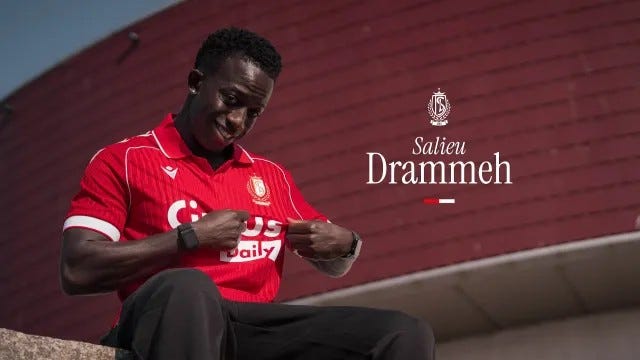
The recruitment undertaken suggests a conscious attempt to diversify the attack. Salieu Drammeh arrives following consistent production in Scandinavia and offers pace, direct running and the athleticism to attack space aggressively. The remaining question is whether that physical profile can be matched by sufficient technical consistency at Pro League level. Sylvester Jasper provides a contrasting skill set. More creator than finisher, he excels in isolated wide situations where he can manipulate defenders and create separation, potentially giving Standard a different attacking dimension against organised defences.
Leading the line, Bruny Nsimba appears an intelligent addition. His game is built around power, depth-running and occupying centre-backs, while his finishing record suggests he possesses the qualities to become a reliable source of goals provided the service around him improves. His profile complements the wider recruitment strategy, adding another physically dynamic option to a squad increasingly built to attack quickly and directly.
From a recruitment perspective, Standard appear to be assembling one of the more balanced squads in the division. The defensive core is capable of competing with most sides in the Belgian Pro League, while the attacking additions directly address areas that have limited the team over recent seasons. There is still scope to streamline the squad and improve depth in certain positions, but the overall direction of travel is considerably more encouraging than it has been for some time.
Ultimately, Standard’s ceiling will depend less on talent than consistency. The squad possesses enough quality to potentially challenge for the top four if Euvrard successfully embeds his ideas across an entire campaign. After several years of instability, this finally feels like a club moving with a clear sense of purpose rather than simply reacting to the next challenge.
Union Saint-Gilloise
Manager: David Hubert
Union Saint-Gilloise enter the 2026/27 campaign as favourites to retain the Belgian Pro League title.
That prediction is based on far more than the quality of the squad alone. The introduction of the new 34-game league format arguably benefits no club more than Union. Over recent seasons, they have consistently established themselves as Belgium’s strongest regular-season side, only for the play-off system to reduce the value of that consistency. With the championship play-offs now removed, sustaining elite performance across the entire campaign becomes the decisive factor, and few clubs have demonstrated that ability better than Union.
Continuity remains another decisive advantage. While many of their closest rivals begin new cycles under different managers, altered sporting structures or significant squad turnover, Union once again approach the season with a clearly defined footballing identity, an aligned recruitment department and a squad built to execute that vision. The names may change, but the process rarely does.
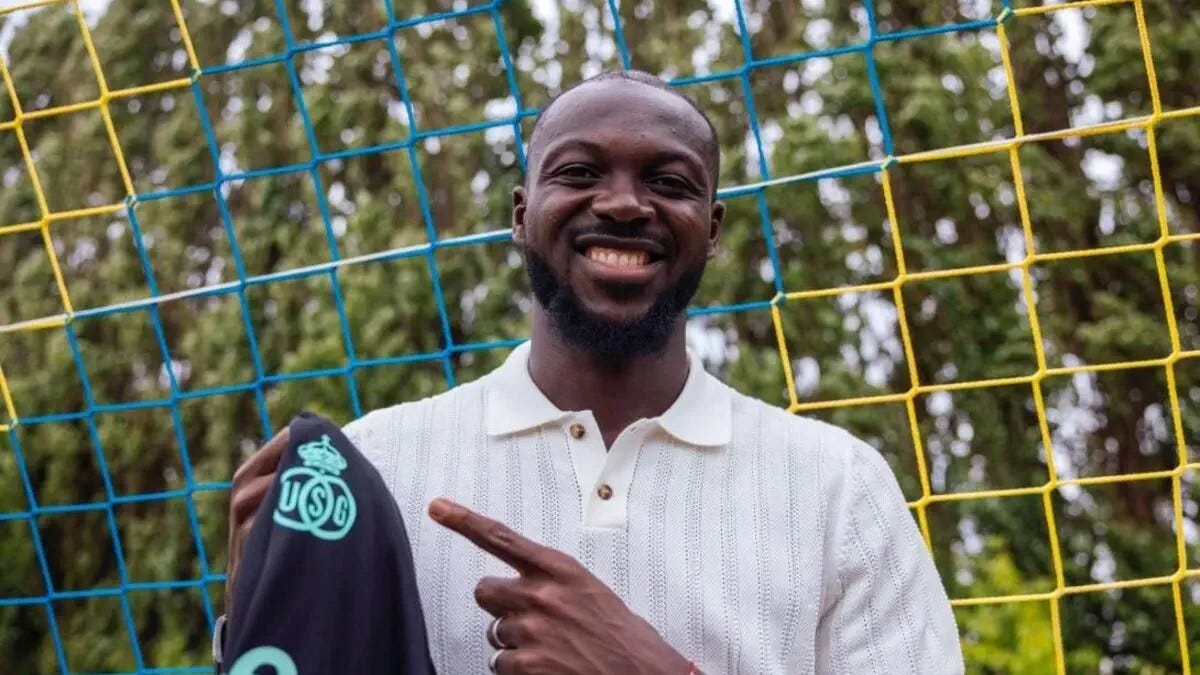
That is evident throughout another intelligent transfer window. Kjell Scherpen departs following an outstanding campaign between the posts, yet Union have responded by securing Hervé Koffi, a goalkeeper already proven within Belgian football and capable of maintaining the exceptionally high standards established by his predecessor. It is another example of succession planning rather than reactive recruitment.
Defensively, Cameron Burgess leaves behind considerable leadership and experience, but Union already possess a natural succession plan. Massire Sylla now has a genuine opportunity to establish himself at first-team level, supported by the arrival of experienced defender Nikki Havenaar. Alongside Ross Sykes and Kevin Mac Allister, the defensive unit remains among the strongest and most balanced in the division. The same applies in the wing-back positions. Even if Adnan Khalaili secures a move to one of Europe’s stronger leagues, Louis Patris has already demonstrated he possesses the quality to assume a starting role, while Union’s recruitment history suggests another replacement would already be under consideration.
Midfield continues to underpin everything the team does well. Adem Zorgane provides the technical security and control around which Union build their game, Kamiel Van de Perre offers energy and tactical discipline, while Ondřej Kricfaluši introduces greater physicality and defensive presence, particularly valuable against stronger European opposition. Besfort Zeneli remains one of the smartest acquisitions made anywhere in Belgian football over the past year. His creativity, composure under pressure and ability to progress possession should again make him one of the division’s most influential midfielders.
The attacking options are equally impressive. Promise David may yet depart following another outstanding campaign, but history suggests Union are uniquely prepared for that possibility. Time and again, the club have demonstrated an ability to identify undervalued forwards before they become household names, allowing succession planning to remain one of the defining strengths of their sporting model rather than a reactive necessity.
From a recruitment perspective, Union Saint-Gilloise have become the benchmark organisation in Belgian football. They recruit with exceptional clarity, develop players within a clearly defined tactical framework and consistently maximise asset value without compromising first-team performance. Very few clubs across Europe manage the transition between successive squads with comparable efficiency.
Ultimately, that is why Union deserve to begin the season as favourites. They possess quality throughout the squad, genuine depth to compete across multiple competitions and, perhaps most importantly, a football operation that has repeatedly demonstrated its ability to evolve without losing its identity. In a season where many rivals continue to rebuild, Union already resemble the finished article. If they reproduce the consistency that has become synonymous with the club over recent years, they will take some stopping in the race for another Belgian Pro League title.
Westerlo
Manager: Issame Charai
Westerlo enter the 2026/27 Belgian Pro League season as one of the division’s most intriguing clubs. While many of the headlines will understandably surround the traditional title challengers, Westerlo continue to quietly build one of Belgian football’s most effective player development models. If there is a club capable of exceeding expectations this season, it may well be them.
The appointment of Issame Charai fits seamlessly into that long-term vision. His background in youth development and individual player coaching makes him a natural fit for a club whose identity revolves around identifying emerging talent, accelerating development and ultimately generating significant transfer value. Westerlo have rarely attempted to compete financially with Belgium’s biggest clubs; instead, they have consistently invested in the next generation before the market fully recognises their potential.
That strategy has once again produced substantial returns. Nacho Ferri’s departure follows the profitable sales of Matija Frigan and Lucas Stassin in recent windows, further reinforcing Westerlo’s remarkable record of identifying and developing centre forwards. Arthur Piedfort also earns a deserved move to Auxerre after another impressive campaign, while Emin Bayram’s departure removes both experience and leadership from the defensive unit following two excellent seasons in Belgium.
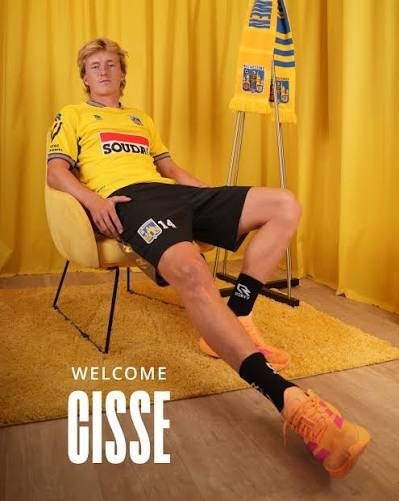
The recruitment undertaken reflects the club’s confidence in its process. Cisse Sandra’s permanent arrival from Club Brugge represents one of the most eye-catching pieces of business completed anywhere in the league. Still possessing enormous untapped potential, he joins an environment that has repeatedly demonstrated its ability to maximise technically gifted young players. Fabio Ferraro arrives following another dependable campaign at Dender, while Lasse Flo looks another intelligent acquisition. The Danish full-back possesses the athletic profile, defensive reliability and physical capacity to adapt quickly to Belgian football, with further attacking refinement likely to come through regular first-team minutes.
Leading the attack, Norman Bassette has been handed an opportunity to re-establish himself following a difficult spell at Coventry City. His power, willingness to attack depth and physical presence provide Westerlo with a very different profile to recent seasons, and there remains considerable upside should he rediscover the form that once made him one of Belgium’s more highly regarded young forwards.
Last season offered a glimpse of what this group is capable of. Westerlo consistently produced proactive, entertaining football but too often found themselves on the wrong side of tight matches through inefficiency in both penalty areas. Converting territorial dominance into points now becomes the next stage of the project’s development.
From a recruitment perspective, Westerlo continue to emerge as one of the Belgian Pro League’s smartest operators. Their ability to consistently identify undervalued talent, provide meaningful development opportunities and generate significant transfer value without abandoning their footballing identity has become one of the league’s most sustainable models. Even after another summer of high-profile departures, there is little evidence to suggest that production line is slowing.
There remains scope for further strengthening before the transfer window closes, particularly in the decisive areas of the pitch, but Westerlo once again possess the financial flexibility to act if the right opportunities arise. With a progressive coach, a clearly defined recruitment strategy and another exciting young squad, they look exceptionally well placed to outperform expectations. A place in the top 10 would represent an outstanding campaign, but it is a target that appears considerably more attainable than many outside the club may realise.
Zulte Waregem
Manager: Michael Beale
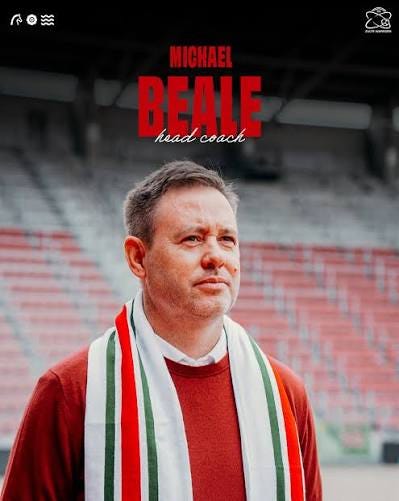
Zulte Waregem enter the 2026/27 Belgian Pro League season at an important point in their development. The opening months of last season suggested a club moving firmly in the right direction, with an aggressive transitional style producing entertaining football and results that comfortably exceeded expectations. As the campaign progressed, however, defensive vulnerabilities became increasingly apparent, and a promising season gradually lost momentum. In a 34-game league campaign, sustaining those defensive issues simply will not be an option.
The club have responded by appointing Michael Beale, one of the more intriguing managerial arrivals anywhere in the division. While his recent experiences at Rangers and Sunderland brought mixed results, Beale’s reputation was established long before those appointments through his work developing young players and building progressive footballing environments. In many respects, Belgian football may prove a more natural fit for his coaching profile than the intense scrutiny of British football.
That appointment also reflects the club’s long-term direction. Zulte Waregem have increasingly positioned themselves as a development club, identifying emerging talent before creating pathways towards stronger European leagues. Last season provided further evidence of that model. Jeppe Erenbjerg established himself as one of the division’s standout midfielders, Joseph Opoku became one of the league’s most effective transition players, while Tochukwu Nnadi earned a deserved move to Marseille after another outstanding campaign. Collectively, those departures remove a significant amount of creativity, athleticism and attacking production from the squad.
Replacing that output remains the priority. Recruitment has progressed relatively slowly, but there are encouraging additions. Marley Aké’s permanent arrival provides continuity after a successful loan spell, while Zalan Atrok looks one of the summer’s more exciting young signings. Still only 20, he combines pace, technical quality and attacking ambition with considerable long-term upside. Alongside him, Anosike Ementa offers a completely different profile, providing physical presence, aerial ability and a genuine focal point capable of bringing others into the game while occupying opposition centre-backs.
The greater concern lies at the opposite end of the pitch. Defensive consistency ultimately undermined much of last season’s positive work, and that remains the area most in need of reinforcement. While the attacking unit retains enough promise to remain competitive, further quality throughout the defensive structure appears essential before the transfer window closes.
From a recruitment perspective, Zulte Waregem represent another example of Belgium’s increasingly established development model. The club continue to identify players with considerable upside before increasing both their sporting and market value. The challenge now is ensuring succession planning keeps pace with outgoing transfers, allowing the team to remain competitive while continuing to operate sustainably.
The remainder of the transfer window therefore feels pivotal. Beale inherits a squad containing several exciting pieces but one that still appears incomplete, particularly defensively. With financial flexibility and a coach whose strengths lie in developing younger players, there remains every opportunity to strengthen further before the season fully settles into rhythm.
As things stand, survival has to remain the primary objective. The attacking profiles assembled offer genuine encouragement, but success in the Belgian Pro League is ultimately decided in both penalty areas, and that is where Zulte Waregem still appear short. Intelligent recruitment over the coming weeks could significantly alter that outlook, but on the evidence available today, a season spent battling to preserve their top-flight status feels the most realistic expectation.
Any Other Business
The Belgian Pro League enters the 2026/27 season with more than just a new competition format. Matchday operations have also evolved, with several initiatives designed to improve transparency and the overall supporter experience.
VAR communication has taken a significant step forward. Following on-field reviews, referees will now explain major decisions over the stadium public address system, while key incidents will be displayed on the big screens. Semi-automated offside technology has also been refined, with the aim of improving both accuracy and the speed of decision making.
Meanwhile, the Challenger Pro League continues to trial FIFA’s Football Video Support (FVS) system. Rather than implementing a full VAR model, each head coach receives two review challenges per match for major incidents, with successful appeals retained. The system offers a more cost-effective alternative to VAR while introducing video technology into the Belgian second tier.
For supporters outside Belgium, DAZN will continue to broadcast the Belgian Pro League in the United Kingdom, with two matches shown each round. Within Belgium, DAZN has reached new distribution agreements with providers including Telenet and Proximus, making Belgian football available once again through those television platforms rather than exclusively via the DAZN app.
Conclusion
That wraps up our 2026/27 Belgian Pro League recruitment preview.
As always, Belgium has lost another generation of outstanding talent, but history suggests those players will quickly be replaced. The combination of intelligent recruitment, player development and progressive coaching continues to make the Pro League one of Europe’s most fascinating competitions to follow.
With a new league format, several ambitious projects and another wave of exciting young players ready to emerge, the season promises to be another compelling one.
Thanks for reading. Let me know your title favourites, surprise package, relegation picks and the players you’d like to see profiled in more detail throughout the season.
 | A guest post by
|