

Band 6 UEFA Qualifiers: What does it really mean to them?
Andy Watson and Nejc Razem take a more in-depth look at what UEFA competition can mean to those lesser ranked nations across the continent(s)


As an Englishman and football fan of a certain vintage (born in the 80s) there is still a frisson of excitement about “Europe”.
There was an era when I was born in which English clubs were not even allowed to compete in Uefa competition due to a ban following the Heysel Stadium disaster.
Whilst we won't go into that topic here, my point is that for my generation of English football fans there is still some anticipation about Uefa matches, especially if your team is involved in them.
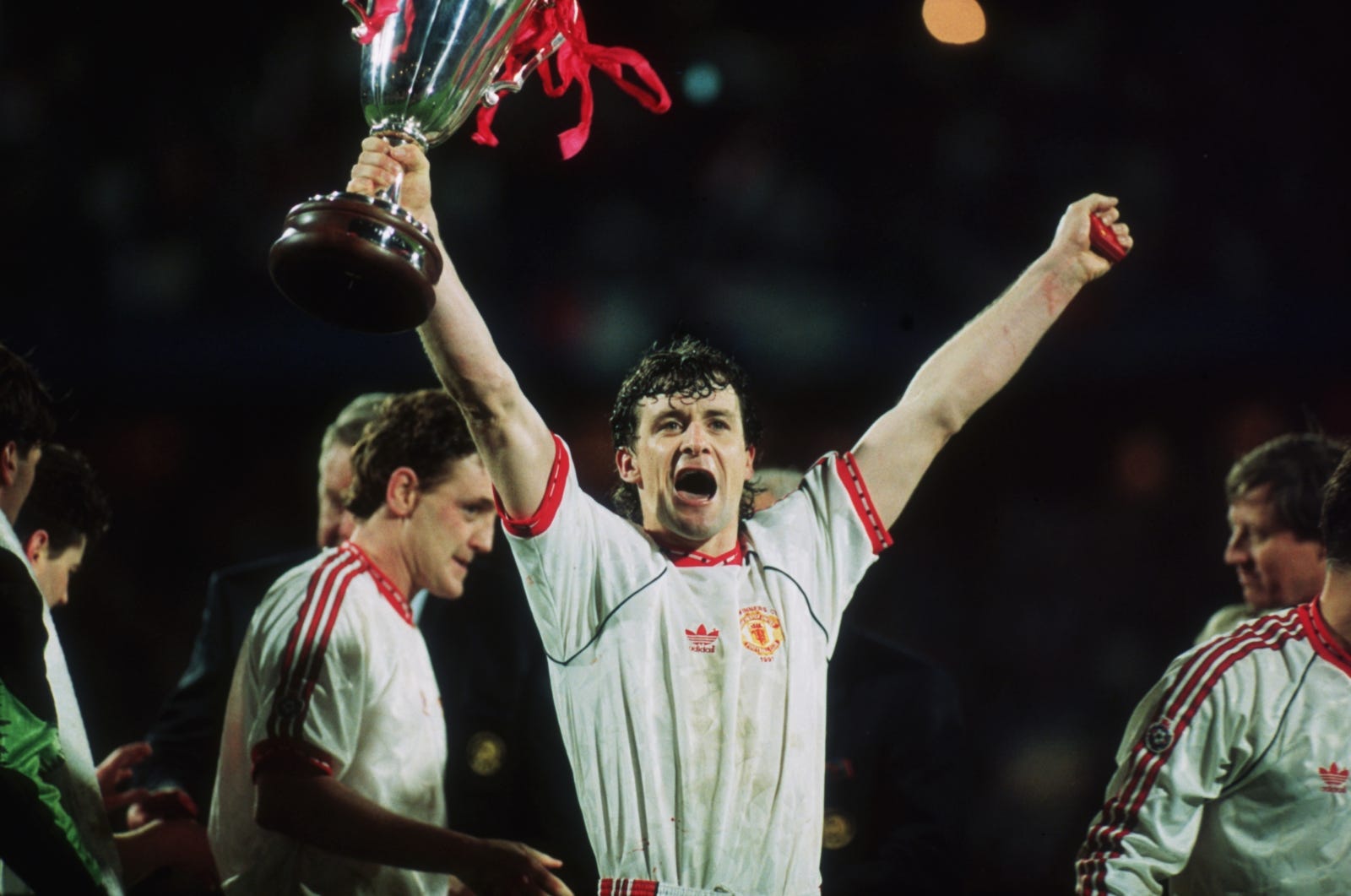
Manchester United’s Cup Winner's Cup triumph against Barcelona in 1991 forms one of my earliest football memories and took me uncomfortably close to United fandom before my home town club’s pull came into play very soon after. Mark Hughes remained a hero to me though, which made Blackburn's EFL Cup win with Hughes in the team, and subsequent success under Hughes as a manager all the sweeter.
English clubs’ matches against the likes of Barcelona have become somewhat commonplace and run-of-the-mill in the last couple of decades though.
Indeed, there is now at least two generations of fans of the bigger clubs in England who will take “European nights” as read, and, as with the league phases of the Champions League, Europa League, and Conference League last season, expect to win pretty much every match.
This isn't a piece to write now, but all English clubs qualified for another phase from last season’s Uefa competitions.
For some nations though, even getting a single representative in the league phase is seen as a massive success, and something of a coup for that club. A place on the European stage elevates that club, yes financially, but also culturally, structurally.
After the final round of qualification in the next few weeks, almost half of all Uefa competition matches will have been completed. It probably passes the majority of football supporters, and even staff, by, how many clubs actually participate in Uefa competition.
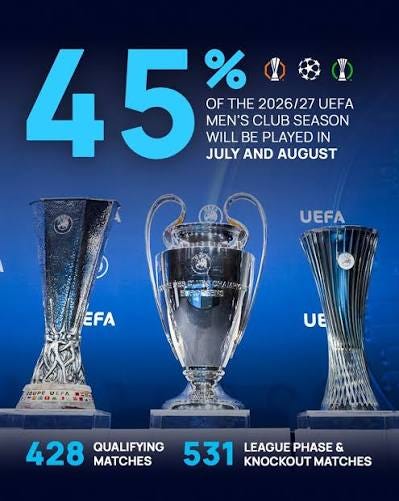
The majority of Uefa nations get at least four spots to use. There is a detailed structure as to which nations get which spots in the competition structure, all of which is fascinating to nerds like myself or perhaps Scotland's Coefficient, and the battle for league phase qualification, either via those automatic spots or via the Uefa qualification structure is fierce.
We will produce a final round of Uefa qualifying special, but I asked Nejc Ražem from our team to try and put down what it means for Band 6 clubs at this stage of the season.
Celje’s European Opportunity: More Than Just Prize Money
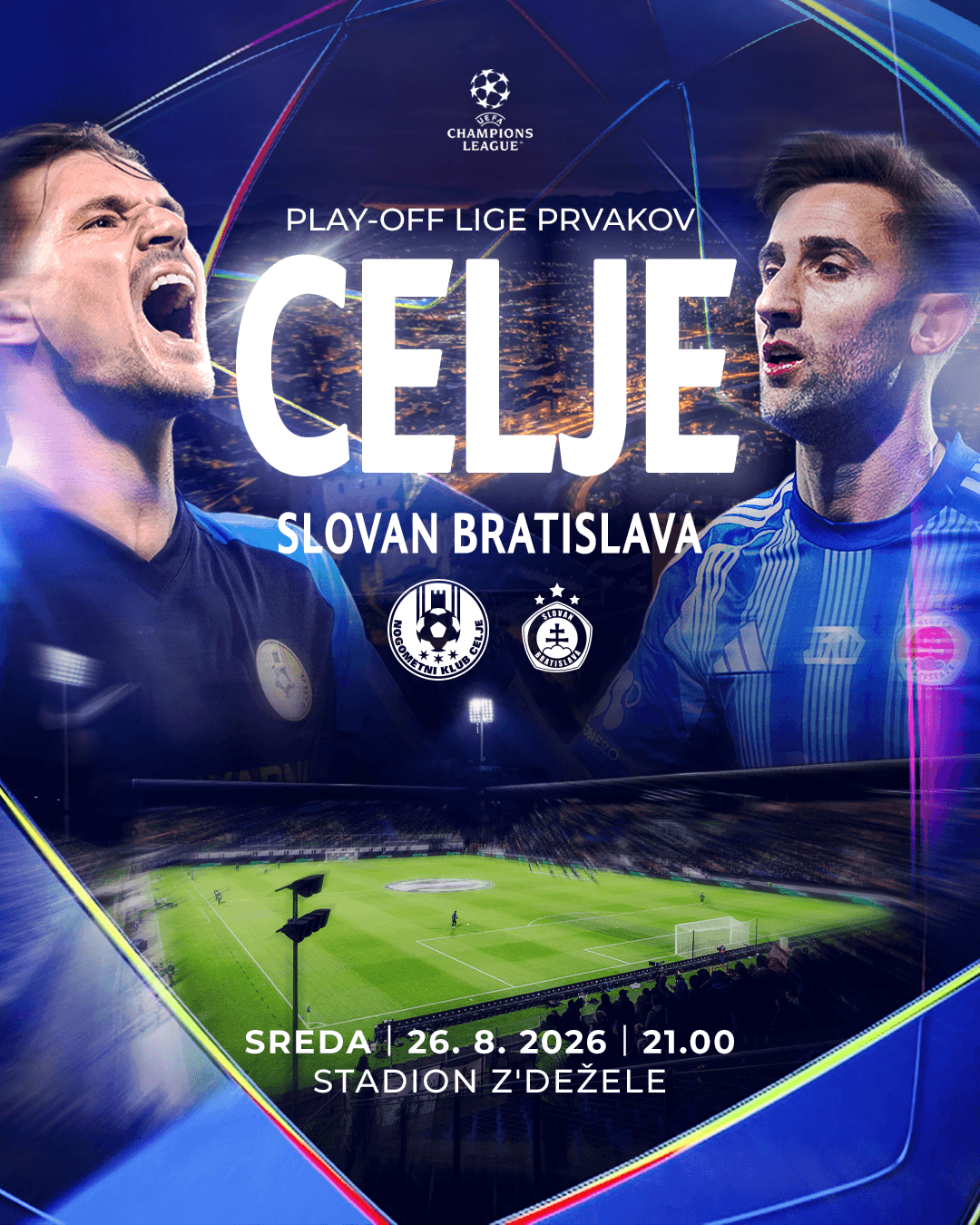
For Europe's biggest clubs, qualifying for the league phase of a UEFA competition is often viewed as the minimum expectation.
For clubs like Celje, however, it represents something far greater: a financial windfall, increased international recognition, and an opportunity to accelerate the club's development for years to come.
This year Celje have a historic chance that they could become only second Slovenian team after Maribor that would play in UEFA Champions League. It is great opportunity for Slovenian league to finally shows again on one of the biggest football stage, because that would amazing achievement after Slovenia national team failed to qualify to the last World Cup.
The Financial Impact
After their historic qualification to the last round of play-offs for the Champions League, Celje already has at least 8.6 million euros in UEFA prizes in its coffers. If they also beat Slovan Bratislava in the last round, their European earnings could rise to over 20 million euros. Celje has opened the door to money that could change the club's future.
Celje is now guaranteed a European autumn at least in the league part of the Europa League so that means that they already did one step up from last two seasons when they managed to qualify to Europa Conference League. And this is where the exceptional figures for Slovenian football conditions begin to turn.
If the Slovenian champions were to lose in the last round of play-offs of the Champions League qualifiers, UEFA would allocate them 4.29 million euros for being eliminated on the last stage before the elite competition. Since they would then move directly to the league part of the Europa League, they would also receive an initial prize of 4.31 million euros there. In total, this means approximately 8.6 million euros, even before they would have played their first match in the Europa League. For Slovenian conditions, this is a huge sum. And this is now the "worst" possible European scenario for Celje.
If Celje overcomes the last obstacle and is among the 36 clubs in the league part of the Champions League, the financial picture changes overnight. Each participant in the league part of the elite competition receives an initial prize of 18.62 million euros. But the amount does not end there. UEFA also distributes money to clubs from the so-called value pillar fund, which takes into account the television market and the European coefficient, additional money comes from the position in the standings, and each victory in the league is worth as much as 2.1 million euros, a draw 700 thousand euros. Even with a modest result, the Celje team would find itself with an amount that would exceed 20 million euros. Each victory would significantly increase the figure.
Better Recruitment
European qualification fundamentally changes the profile of players a club like Celje can attract.
For clubs operating outside Europe's major leagues, convincing talented players to move to Slovenia can be difficult when competing against clubs from Austria, Italy, Croatia, Belgium or the Netherlands. European football provides Celje with a powerful additional selling point: the opportunity to play competitive matches on an international stage.
For a young player, the difference between joining a club that only competes domestically and joining a club that is guaranteed European football can be enormous. A player at Celje can potentially face opponents from some of Europe's strongest leagues, play in front of international scouts and gain experience that would be difficult to obtain elsewhere at the same stage of his career.
For a sporting director, this creates a much larger recruitment pool. Instead of asking simply, "Who can we afford?", the question becomes, "Who can we develop and expose at European level?"
So the club can their bring some unknown players and not just experience, but even young stars with potential for some big transfers, because the reality still is that clubs from small leagues would probably sell the player if a club from the top 10 or even lower European leagues would want that player. That is an important distinction for clubs like Celje because their business model can be built around identifying players before their market value reaches its peak.
European qualification therefore becomes part of the recruitment strategy itself. It helps attract players, convince them to sign, retain them for longer and ultimately create a pathway towards larger transfer fees.
On example of that is a player which Celje sign in this summer transfer window. Because of this amazing chance to qualify to UEFA Champions league. Celje managed to get their past star player back to the team.
After 10 years of playing in foreign leagues for Kobenhavn, Dynamo Kyiv, and in Greece, Benjamin Verbič returns back to his homeland and signs a contract for Celje. At 32 years of age this represents a wonderful opportunity to achieve something special with the club which made him a star.
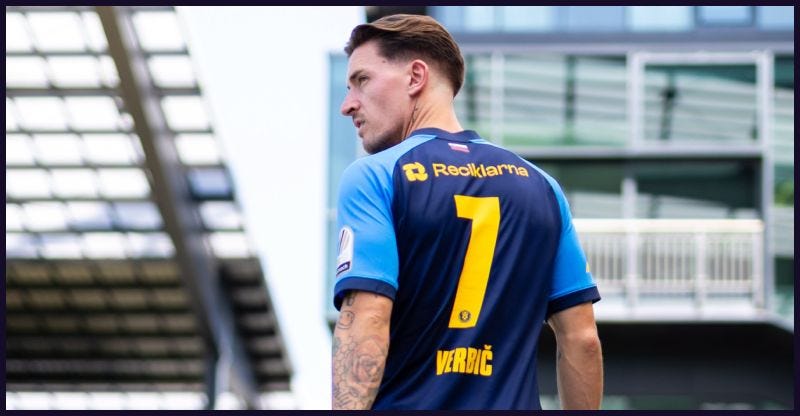
He also offers Celje a lot of European experience and it could be potential signing of the season for them. He already proved his quality with an excellent match in third round of qualification where Celje managed a late epic comeback. He scored and assist and even prevented the opposite team from scoring with a clearance on goal line. Fans went crazy and after the match they already put in highlights the club’s »lost son«, who shows that he still is the player who could be decisive in big games like that.
Increasing Player Value and raising the League's Reputation
A player can dominate the Slovenian PrvaLiga for an entire season, but his performances may still receive limited attention outside the region.
Instead of evaluating a player only through domestic statistics, clubs can assess how he performs against higher-quality opposition, under greater pressure and at a significantly higher intensity. The situation changes when that same player performs against an established European opponent in the Europa League or Conference League.
Like if some of Celje young potentials would scored two goals vs PSG, his value would surely goes up and put many of European teams on alert. Before that match maybe they never heard of him because he played only in Slovenian League which was maybe not their primary market to scout or buy players from. Because of that maybe some top clubs will send their scouts to the Slovenia, to watch clubs matches and this could give a more chance that some of young potential will have even sooner chance to play and transfer directly in some of top leagues, without going firstly to some middle step like is playing for clubs in Austria and then transfer to Germany Bundesliga.
This is particularly important for Slovenian clubs because transfer income remains an essential part of their business models. European football effectively gives clubs an additional platform on which to market their players. It also gives clubs a stronger negotiating position. A player who has demonstrated that he can perform against European opposition is a less speculative investment for a buying club. His performances provide a larger sample of evidence and reduce some of the uncertainty surrounding a transfer.
Also this represents an important connection to English markets:
The Slovenian first league (PrvaLiga) has been downgraded from GBE Band 5 to Band 6 under the English FA Governing Body Endorsement system just recently.
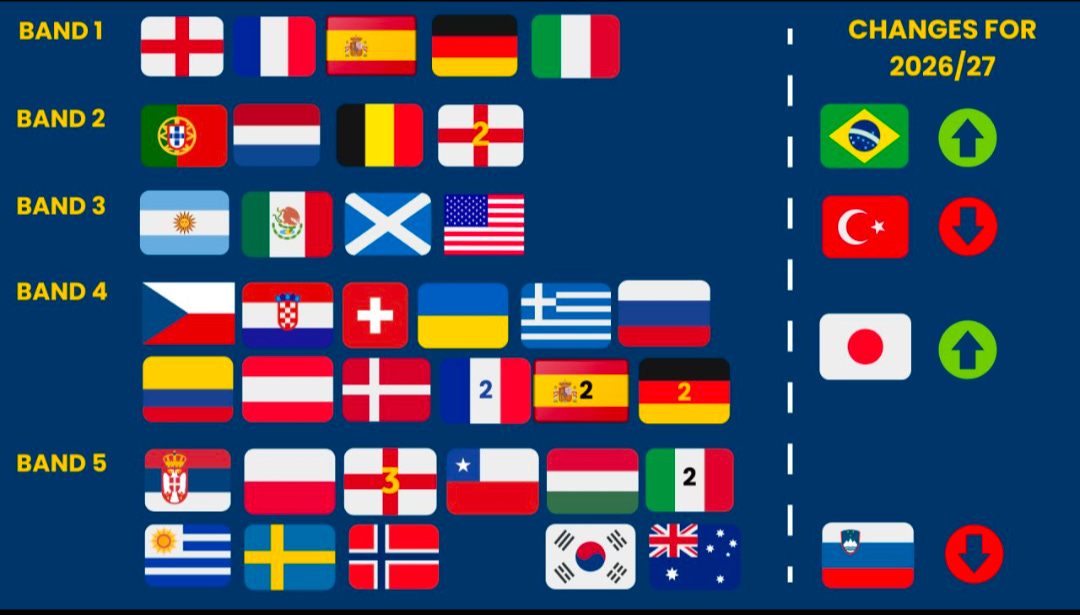
That makes harder for domestic league to transfer players directly to the England clubs and leagues. So European football is now even more important that last season. Celje is the only Slovenian representitive who will play in Europe competitions, because other three Koper, Bravo and Aluminij all were knocked out in early qualifications rounds.
The most disappointing exit was Koper, which was clear favourite in his draw, but they threw away their lead from first match and get knocked out. This was a really big disappointment for fans who were hope for way more than that.
If Celje performs well in the Europa League or Conference League, that contributes to Slovenia's coefficient. If Olimpija, Maribor, Koper, Bravo or another Slovenian representative also collects points, the country's overall position improves further.
A club's European campaign does not take place in isolation. Every victory, draw and progression through UEFA competitions contributes to Slovenia's UEFA country coefficient. Over time, successful performances by Slovenian clubs can improve the country's position in the rankings and potentially create better opportunities for the entire league.
Experience That Cannot Be Bought
Facing opponents from stronger leagues accelerates development throughout an entire football club. Young players mature faster, coaches gain valuable tactical experience and clubs establish higher performance standards that often carry into domestic competition. These experiences help create a culture capable of sustaining success beyond a single European campaign.
Also with Celje playing now their third straight year in European competitions, they maybe discover some advanced tactics which are used by the biggest clubs in the world. This is also big advantage when they will be playing in their domestic league. They would bring more entertaining playing styles for League fans.
Perhaps the greatest benefit of regular league phase qualification is long-term stability. Consistent European football enables clubs to diversify their revenue streams, strengthen commercial partnerships and invest strategically rather than simply surviving from one transfer window to the next.
Instead of relying almost entirely on player sales, clubs can build sustainable sporting projects capable of challenging domestically while remaining competitive in Europe.
Increasing club popularity
Slovenia is a small country and every time when some club achieve European competitions fans from all other clubs step together and support that club.
In the past when Maribor, Olimpija and Mura managed to achieve that fans all over the country went to visit their European matches even if they dont usually support that club.
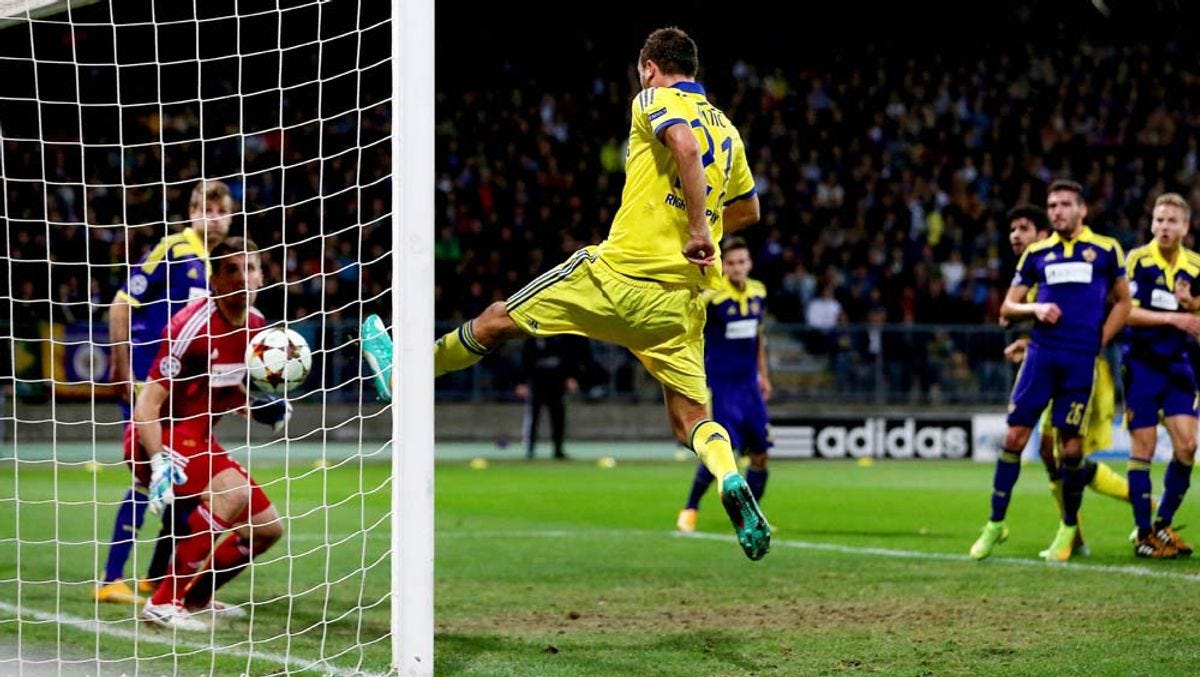
Same is now with Celje, it is not everyday that Slovenian club manage to achieve UEFA Champions League group stage. Fans would love to see that clubs such as PSG, Real Madrid, Barcelona and other many top clubs would play in their country like it was when Chelsea play vs Maribor around ten years ago and the Slovenian kids went crazy just to saw Eden Hazard playing in his prime live. Celje would have a full stadium of supporters who would also want to see the opposite teams and their world superstar players.
Conclusion
European competitions represents a great opportunity for clubs such is Celje who come from small Slovenia country and less known league to present their players to the world biggest stage.
As a Slovenian, I am really proud for their achievement and as I write earlier, I would support them even if I my hometown club is FC Koper, because for the good of Slovenian football I know how much it means and also I wish that today’s Slovenian kids would have a chance to watch players like Kane, Mbappe, Yamal, Haaland in live in our country like I have a chance to watch Eden Hazard 10 years ago.
Celje really represent a club with a great leadership, vision and work, which they all proved with their achievements in last three years. Because of playing in Europe they have more financial stability than ever and this will continue even more this year. They can help revive slovenian football and present him to all people around the world
For Celje, this is a chance to build its own European story. For Slovenian football, it could be the beginning of something much bigger.
Because sometimes, one club's European journey can inspire an entire football country to believe that the biggest stage is not as far away as it once seemed.
 | A guest post by
|